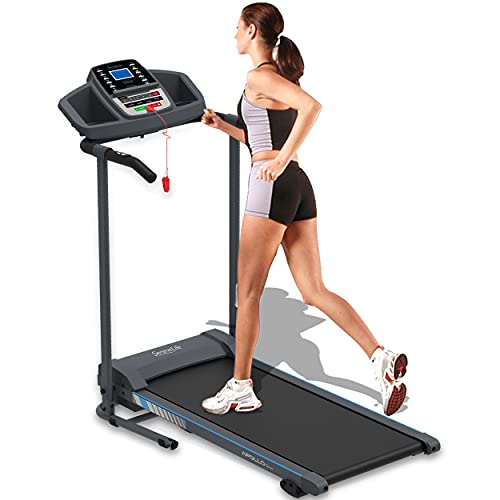
The Rise of Non-Electric Treadmills in the UK: A Sustainable Approach to Home Fitness
Recently, the physical fitness industry has actually seen a significant shift towards sustainability and health-conscious way of lives. With the rise of environment-friendly products, non-electric treadmills have actually gotten significant popularity among fitness enthusiasts and casual users alike. These treadmills offer a distinct mix of sustainability, effectiveness, and cost, making them an outstanding option for those looking to get fit without the substantial price of electricity-consuming machines. This short article will check out the functions, advantages, and alternatives available in the UK market for non-electric treadmills.
Comprehending Non-Electric Treadmills
Non-electric treadmills, in some cases described as manual or self-powered treadmills, run without a power source. Rather, they rely entirely on the user's motion to drive the treadmill belt. They can be a fantastic addition to home health clubs, especially for those aiming to avoid high electricity costs or looking for to lessen their carbon footprint.
Kinds Of Non-Electric Treadmills
There are several types of non-electric treadmills offered in the market. Here's a concise table that breaks down the main types you may encounter:
| Type | Description | Pros | Cons |
|---|---|---|---|
| Wooden Treadmills | Made from top quality wood, offering a classic visual. | Long lasting, aesthetic appeal | Much heavier and can be more expensive |
| Steel Treadmills | Tough and robust, usually made from steel or strong metals. | Lasting, stable | Much heavier, might have a higher carbon footprint |
| Foldable Treadmills | Easy to keep and transport, often with a light-weight frame. | Space-saving, portable | May compromise on stability and durability |
| Incline Treadmills | Deals integrated in incline functions for included intensity. | Great for diverse workouts | Often heavier and pricier |
Secret Features of Non-Electric Treadmills
- User-Powered Movement: The most distinct feature is that they are powered straight by the user, offering a natural running simulation.
- Adjustable Incline: Many designs enable users to alter the incline by hand, offering a more difficult exercise.
- Space Efficiency: Treadmills can be developed to fold or compact easily for storage, matching homes with limited space.
- Sturdiness: Non-electric treadmills are typically constructed from robust materials, promising a long life expectancy with routine usage.
Advantages of Non-Electric Treadmills
Non-electric treadmills included various advantages that make them an attractive option:
- Cost-Effective: By eliminating the requirement for an electrical outlet, users can minimize electricity costs and utilize their devices anywhere.
- Sustainable Workout: These treadmills signify a greener technique to physical fitness, adding to a lower ecological effect.
- Natural Running Mechanics: The manual aspect engages core muscles better and assists enhance flexibility and stability.
- Lower Maintenance Costs: Being mechanical, there is less that can fail compared to their electric equivalents, leading to reduced upkeep requirements.
Factors to Consider When Choosing a Non-Electric Treadmill
While selecting a non-electric treadmill, a prospective buyer ought to consider several elements:
- Weight Capacity: Ensure that the treadmill can accommodate the user's weight.
- Runner's Comfort: Look for functions like adjustable belt resistance and cushioning to improve convenience.
- Portability: If area is an issue, opt for a model that can be quickly folded or carried.
- Price Range: Establish a budget as costs can vary widely based on materials and functions.
Popular Models in the UK
The UK market offers a variety of non-electric treadmills with different functions and price points. Here are some well-regarded options:
| Model | Price Range | Secret Features | User Ratings |
|---|---|---|---|
| Fitness Reality TR3000i | ₤ 300 - ₤ 450 | High weight capacity, foldable, and manual incline | 4.5/ 5 |
| Kettler Track S | ₤ 400 - ₤ 600 | Adjustable incline, compact design | 4.6/ 5 |
| Smarter Fitness SMA7 in your home | ₤ 250 - ₤ 400 | Made from wood, visual design, very durable | 4.4/ 5 |
| ProForm Performance 400i | ₤ 300 - ₤ 500 | Easy to use interface, good construct quality | 4.3/ 5 |
Often Asked Questions (FAQ)
Q1: Can I get a good exercise on a non-electric treadmill?
A1: Yes! Non-electric treadmills engage your muscles more than electric models due to their manual nature, offering an excellent cardiovascular exercise.
Q2: Are non-electric treadmills more affordable than electric ones?
A2: Generally, they are more budget friendly given that they don't count on electrical performance, triggering less maintenance and operation costs.
Q3: How do I maintain a non-electric treadmill?
A3: Maintenance is simple. Keep similar site , lube the belt if required, and occasionally look for any loose bolts or parts.
Q4: What is the weight limitation for non-electric treadmills?
A4: Most designs support a weight variety between 100kg and 180kg. It is suggested to check private specs.
Q5: Is operating on a non-electric treadmill more difficult than on an electric one?
A5: It can be, as users must generate all movement. Nevertheless, this can result in better endurance and muscle engagement with time.
As the UK turns its focus towards sustainable living and much healthier way of lives, non-electric treadmills provide a testimony to this changing landscape. With their price and environmentally friendly leanings, these devices represent a substantial shift in how people see fitness in your home. By considering the benefits and necessary factors described in this post, fitness enthusiasts can make informed decisions that cater not only to their fitness requires but likewise to their ecological suitables.
Whether it's for casual walking or extreme running, purchasing a non-electric treadmill can be a step towards a healthier and more sustainable lifestyle.